
Museums of Rhodes: A Complete Guide by G.E.S. Travel Agency
Rhodes is famous for beaches and medieval streets, but its museum scene is what turns a pleasant visit into an intelligent one. The Museums of Rhodes are unusually concentrated: within a short walk in the Medieval Town you can move from classical sculpture to Byzantine icons and the lived culture of the Dodecanese. Afterwards you can finish your day with a Modern Greek art collection or even a hands-on honey museum outside the city. The variety is real, and it rewards travelers who prefer meaning over “just photos.”
This compact guide groups the Museums of Rhodes by theme, so you can choose what fits your interests, without repeating the same experience in different buildings.
1) Palace of the Grand Master of the Knights
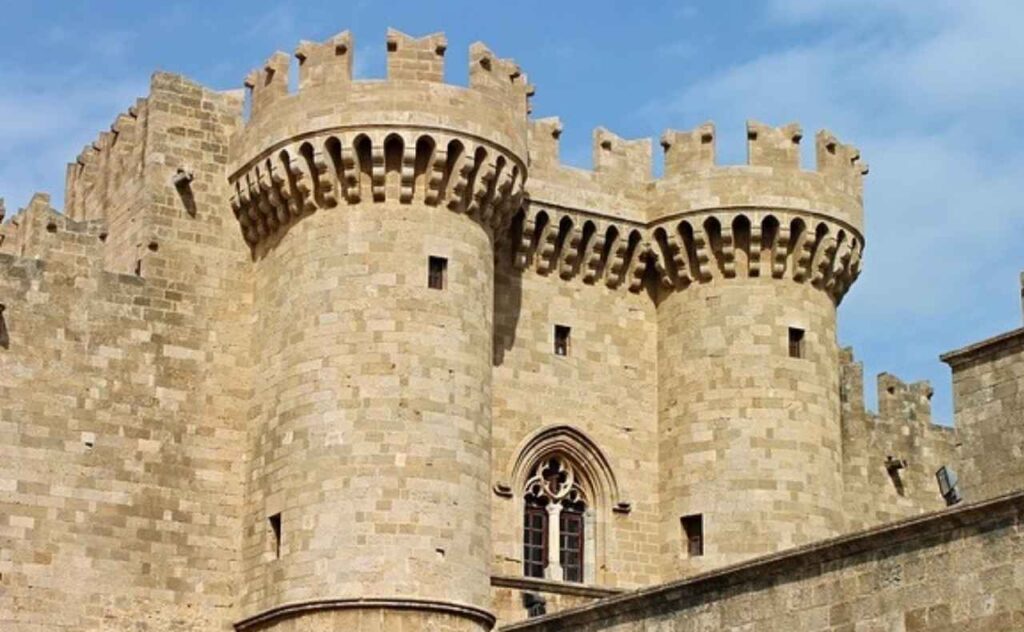
If you want to understand why Rhodes mattered strategically, start here. The Palace is a statement building; fortified, ceremonial, and built to project authority. Today it functions as a major museum site, and it’s one of the clearest introductions to the Knights’ era because the architecture itself is the main exhibit. Official Greek cultural resources list it among Rhodes’ key monuments and provide ticketing details.
Practical note: the Palace operates with seasonal hours and can be busy in peak months, so checking official ticket platforms before you go is worthwhile.
2) Archaeological Museum of Rhodes
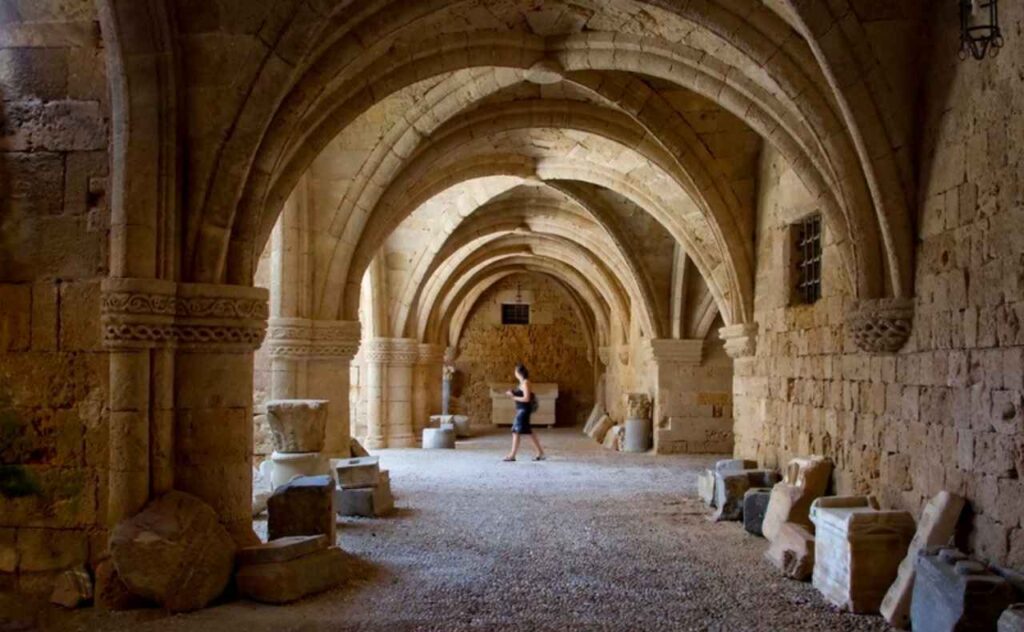
A few minutes away, the Archaeological Museum is housed in the medieval Hospital of the Knights—already an experience before you see a single artifact. The museum’s collection highlights finds from ancient Ialysos and Kamiros and a strong sculpture collection.
What makes this museum special is the setting: a medieval complex holding ancient material, which mirrors Rhodes itself: a place where periods overlap rather than replace each other.
Which one to choose?
Pick the Palace if you want atmosphere, scale, and medieval power.
Pick the Archaeological Museum if you want ancient Rhodes through objects like statues, inscriptions, and the texture of daily life.
If you have time for both, do them on the same day: they complement each other without feeling repetitive.
3) Byzantine Art Museum / Panagia tou Kastrou
Inside the Medieval Town, the church of Panagia tou Kastrou is a rare case where the building’s religious transformations are part of the story: a Byzantine origin, later Gothic form, then an Ottoman-era conversion, and today a space for icons and medieval sculpture.
This is one of the most contemplative stops among the Museums of Rhodes. It’s smaller than the major sites, but it offers something the larger collections can’t: the feeling of sacred space shaping the way you view art.
4) Hospice of St. Catherine
The Hospice was built for distinguished guests of the Knights and stands as a quiet architectural witness to diplomacy and prestige in medieval Rhodes. Official cultural sources document its 14th-century construction and purpose. It’s an excellent stop if you like monuments that feel “lived in” rather than purely curated.
5) Decorative Arts Collection
The Decorative Arts Collection is associated with objects spanning roughly the 16th to early 20th century like folk art, textiles, and material that explains the island’s culture through everyday items, not rulers and wars. Local listings place it in the Knights’ armory building in the Medieval Town and describe collections drawn from archives, donations, and earlier ethnographic efforts.
If you’ve already visited large stone monuments, this museum is the best “contrast” stop: it shows how people furnished homes, dressed, celebrated, and preserved identity.
6) Museum of Modern Greek Art
Rhodes is not only medieval and ancient. The Museum of Modern Greek Art presents modern and contemporary Greek works -painting, engraving, sculpture- and positions itself as an active cultural institution rather than a static collection.
This museum is one of the smartest choices if you want your Rhodes trip to include living Greek culture, not only heritage. It also works well on a day when you want something calmer and air-conditioned, without needing to commit to another long archaeological circuit.
7) Bee Museum of Rhodes
The Bee Museum is one of the most engaging family-friendly stops near Rhodes Town. It focuses on the world of bees with transparent observation hives, information on beekeeping traditions, and interactive elements -plus tastings and a shop for honey products.
Unlike many museums, this one is sensory: you learn through sight, smell, taste, and context. It also connects naturally to Rhodian food culture—honey, herbs, and local plants.
How G.E.S. Travel Agency makes museum day easy
A museum-focused day sounds simple until you add real-life details: timed entries, parking, midday heat, and the afterward meeting point problem inside the Medieval Town. That’s where we come in.
With G.E.S. Travel Agency, you can build your day around the Museums of Rhodes without turning it into a logistics project:
- Door-to-door private transfers in Mercedes vehicles with safety-focused standards, so you arrive rested and on time.
- Meet-and-greet convenience (including airport arrivals) and complimentary bottled water, so the practical side feels handled.
- Flexible pacing for museum visits: if you decide to stay longer in the Archaeological Museum or skip a site that feels too similar, your day doesn’t collapse.
- Clean transitions between “Old Town museums” and “outside-town museums” like the Bee Museum—without you needing to navigate routes or parking.
How to choose without overplanning
If you want one strong museum day, choose one “stone” museum (Palace or Archaeological), one “spirit” museum (Panagia tou Kastrou), and one “life” museum (Decorative Arts or Bee Museum). The experiences are different enough that you won’t feel you’re repeating yourself, plus you will leave Rhodes with a real understanding of the island.